Rents climb in 42 of 54 Hobart suburbs as vacancies tighten further
September quarter data shows median house rents rose in 42 of 54 Hobart suburbs, with vacancies at 0.5%, the tightest of any Australian capital.
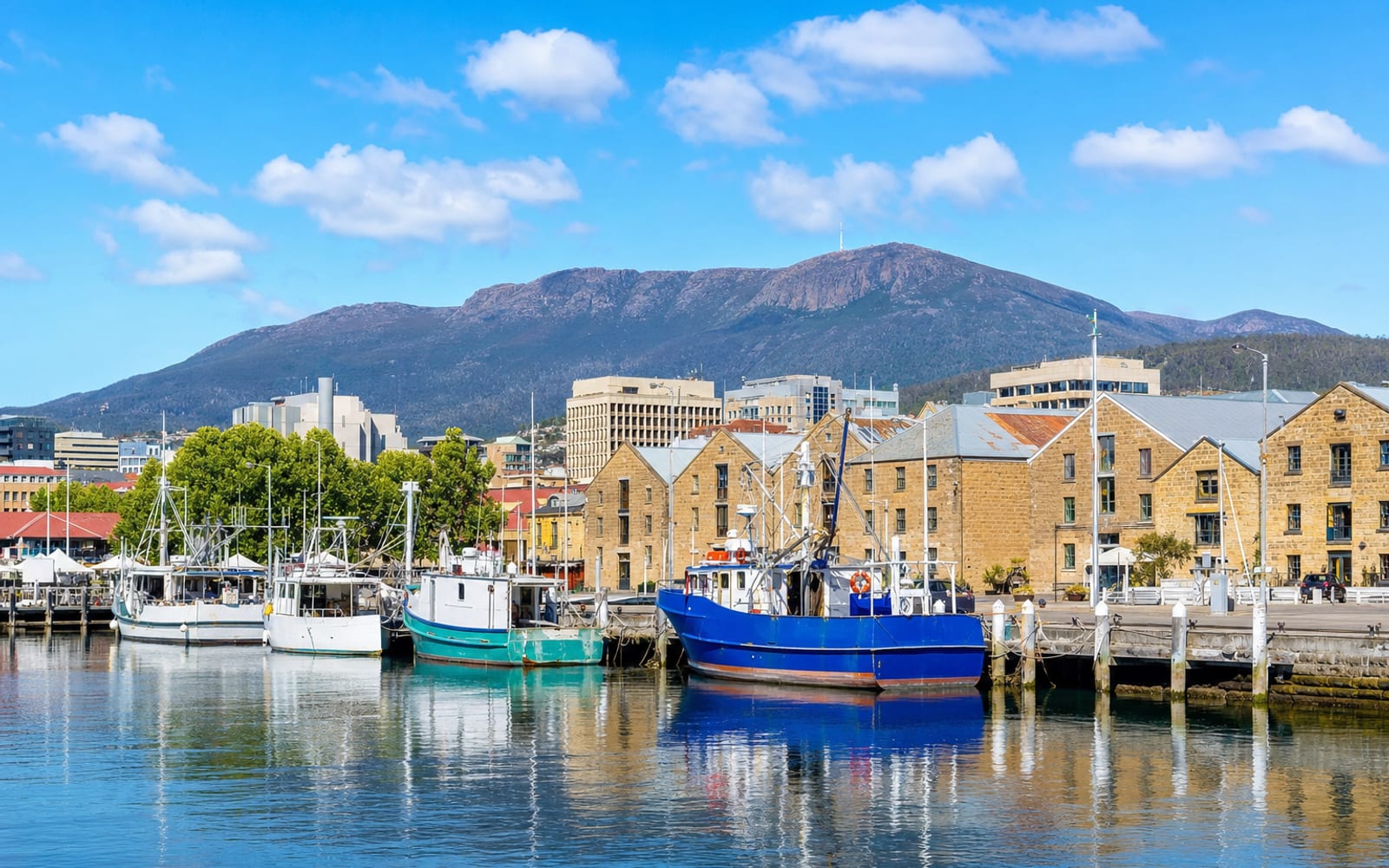
- Source Briefing
- Public record
- Also reported by realestate.com.au
Median house rents rose in 42 of Hobart’s 54 suburbs in the September quarter, realestate.com.au data shows, a share the outlet put at 77%, with four suburbs falling and eight unchanged. For developers weighing rental projects in greater Hobart, it is a fresh sign of undersupply.
Why it matters
The rental crunch across greater Hobart is showing no sign of easing, with growth in median house rents recorded in suburbs from inner Moonah to outer-growth Sandford and Tranmere. Realestate.com.au senior economist Angus Moore said the figures point to a supply shortage rather than landlords simply passing on interest rate rises.
The numbers
Tranmere led the quarter’s increases, with median house rents up 8.9% (about $63 a week), followed by Moonah on 8.3% and lifestyle suburb Sandford on 7.4%. On the other side of the ledger, Dynnyrne rents fell 3.9%, Bellerive dropped 3%, and Berriedale and Battery Point each slipped 0.3%. Over the year, 17 Hobart suburbs posted double-digit rent growth, ranging from Claremont at 10.4% to Taroona at 27.5%.
Sandy Bay remains Hobart’s most expensive rental suburb at $795 a week, trailed by Battery Point, Tranmere, Taroona and Glebe, all sitting between $750 and $778. At the cheaper end, Primrose Sands ($465), Gagebrook ($475) and Herdsmans Cove ($480) are the only three suburbs still under $500 a week.
“Rental market conditions are likely to remain tight, so we’re going to continue seeing pressure on rents,” Moore said.
Separate SQM Research figures for September put Hobart’s rental vacancy rate at 0.5%, with just 127 vacancies, the tightest of any Australian capital. That is a slight improvement on the same month last year, when vacancies sat at 0.4% and 107 listings. The national average vacancy rate is 1.4%, and a market is considered healthy once it reaches 3%. SQM’s figures also showed Hobart’s combined rents eased 0.5% over the month to $600 a week, but remain 9.5% higher than a year ago, while unit rents fell 5.4% over the month yet are still up 14.6% annually, the strongest unit rent growth of any Australian capital.
What’s next
With vacancies sitting well below a healthy benchmark and rents climbing in roughly three in four Hobart suburbs, tenants have few cheaper options nearby to fall back on. Moore’s outlook points to continued pressure rather than relief, tied to how quickly new rental supply reaches the market. The Australian Developer reported on 1 November on Homes Tasmania’s own borrowing ceiling, a separate pressure point on the state’s housing supply pipeline.
Quick answers
What are the key numbers in this story?
suburbs rising: 42 of 54; Tranmere rise: 8.9%; vacancy rate: 0.5%; Taroona annual: 27.5%.
Where does this information come from?
This story cites realestate.com.au. Every source is linked on the page.
On the record
Median house rents rose in 42 of 54 Hobart suburbs in the September quarter, with only four suburbs recording falls and eight unchanged
Public record · realestate.com.au
Also reported by
- realestate.com.auRental pain rising: 77% of Hobart suburbs under pressure
Filed by the AusDev Tasmania Desk. How we report.