Binyan founder co-writes a book on the future of visualisation
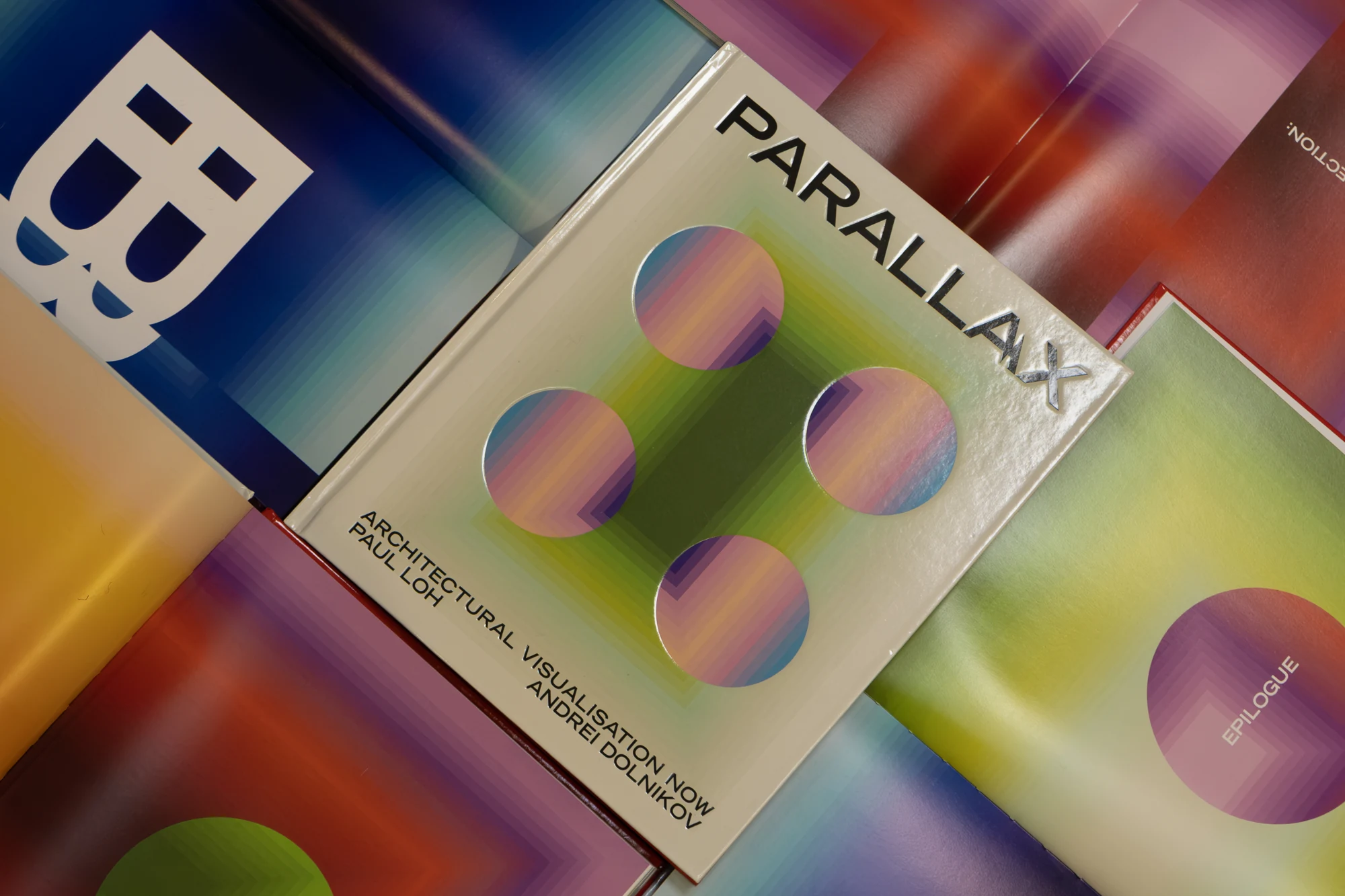
Parallax: Architectural Visualisation Now brings 14 studios together and looks at how AI, film and interactive media are changing the way Australian projects are shown to buyers.
Verified . Report a correction
Last verified · How we report · Report a correction
- Source Briefing
- Company announcement
Long before a building is built, buyers, councils and neighbours judge it by the picture. Binyan founder Andrei Dolnikov has now put what that means into a book. Parallax: Architectural Visualisation Now, written with architect and Bond University academic Paul Loh, is a 204-page hardback from Uro Publications that gathers 14 practices from around the world on how the craft is changing. A Sydney launch is set for Monday 30 November, according to the invitation circulated to the property industry.
From the drawing board to AI
The book charts how buildings have been depicted over time: pencil sketches first, then CAD, then building information modelling, and now interactive digital environments. The authors describe a discipline that has grown from a technical task into a creative one, combining architecture, technology, storytelling and visual communication, and they say the shift matters well beyond the tools. In their view, visualisation now shapes how people imagine cities, read development proposals and think about the built environment’s future.
The permits and deals moving Australia.
Free, every weekday.
A global line-up, with an Australian voice
Alongside Binyan, the 14 contributors work across architecture, visualisation, film and experiential design. They include Factory Fifteen, Luxigon, Beauty and The Bit, Space Popular and Liam Young, as well as Australian visualisation artist Gabriel Saunders. Together they look at how image-making has widened from selling commercial projects to exploring alternative futures for cities and communities, and at the responsibilities that come with images that influence investment decisions and public understanding.
What generative AI changes
One of the book’s central themes is artificial intelligence. Generative tools open new ways to produce images and also challenge established creative processes and the role of specialist studios. Rather than dwell on the tools alone, the authors look at the wider consequences for the profession: who authors an image, how much skill it takes, how accurate it must be and how a building’s story is told. For an industry that shows buildings before they exist, the release says, those questions could shape how projects are designed, presented and marketed.
Practice meets research
Dolnikov comes to the book from hands-on practice in still imagery, interactive media and immersive spaces. Loh, an architect, teaches and researches at Bond University, focusing on computational design, digital fabrication and new technology. The pairing of commercial practice and academic research is the book’s route to examining the cultural and creative influence of the field. Their central idea is that visualisation can do more than illustrate a building: it can help people grasp possibilities, question settled ideas and picture different ways of living.
Why it matters for Australian developers
The release frames the book as arriving when imagery plays a growing part in project positioning, marketing and buyer engagement in Australia. It suggests the future of visualisation may reach well past still images, into film and interactive media. Binyan, which lists studios in Sydney, Melbourne and Brisbane as well as London, New York and Dubai, is one of the practices helping define that shift, according to the release.
The details
Parallax: Architectural Visualisation Now is a hardback by Paul Loh and Andrei Dolnikov, published by Uro Publications. It is priced at AU$79 and carries the ISBN 978-1-922601-44-5. The publisher had scheduled it for July 2026, and the Sydney event is its launch.
Source: Binyan press release, supplied via The Property Agency.
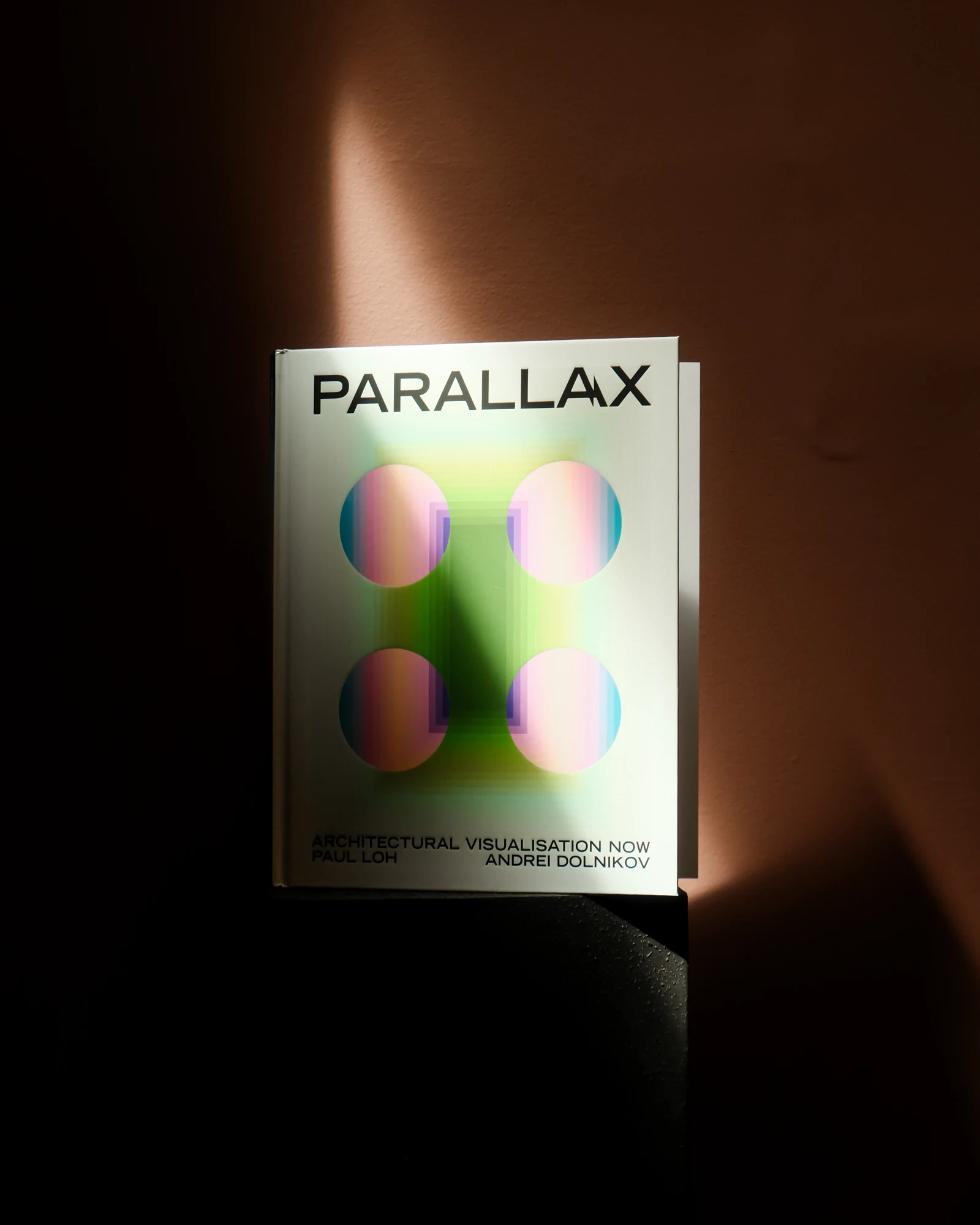
The Parallax book upright against a dark backdrop 
CGI of a curved metallic tower facade at dusk, from Binyan's portfolio 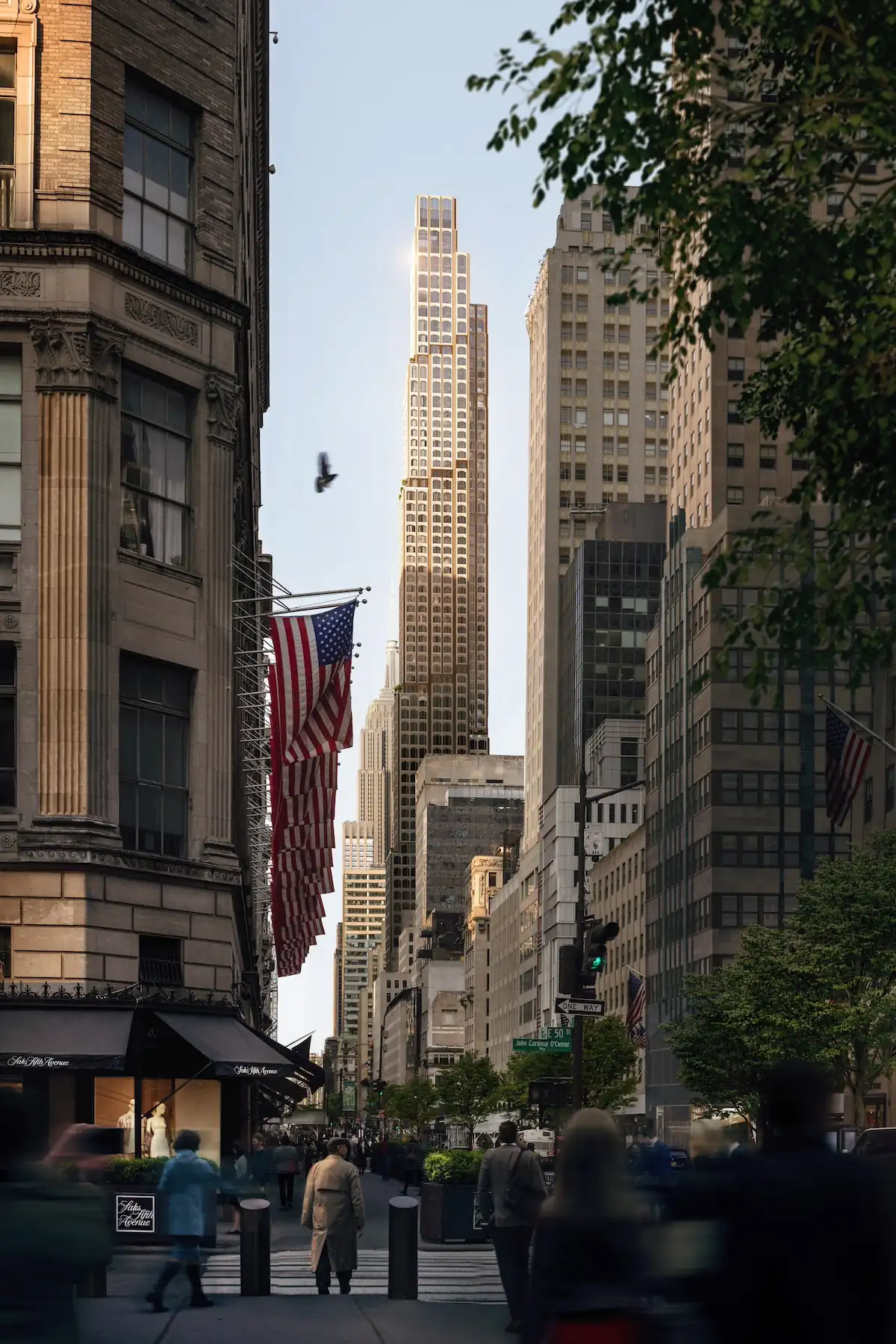
CGI of a New York street lined with towers, from Binyan's portfolio 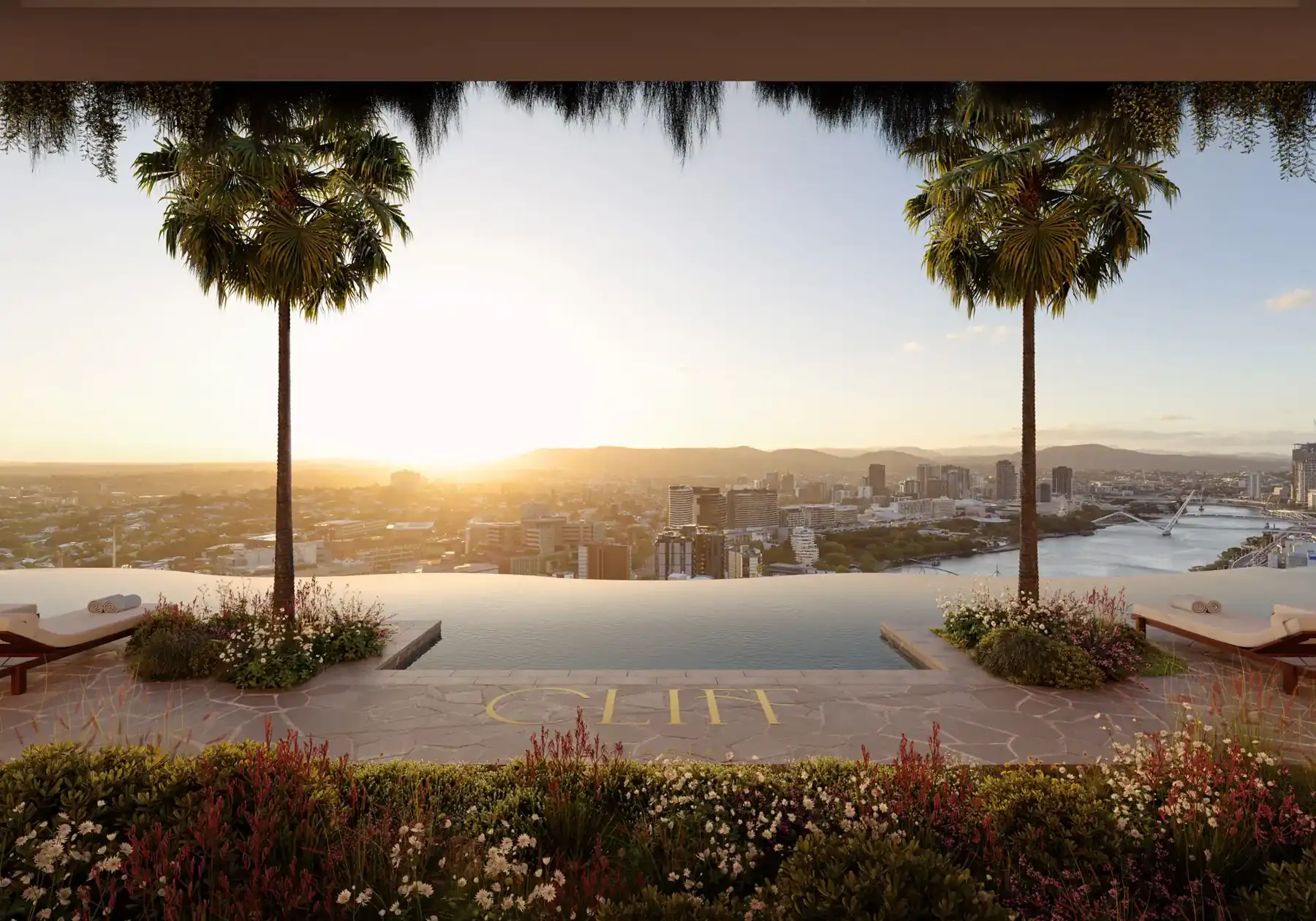
CGI of a rooftop pool at sunset, from Binyan's portfolio 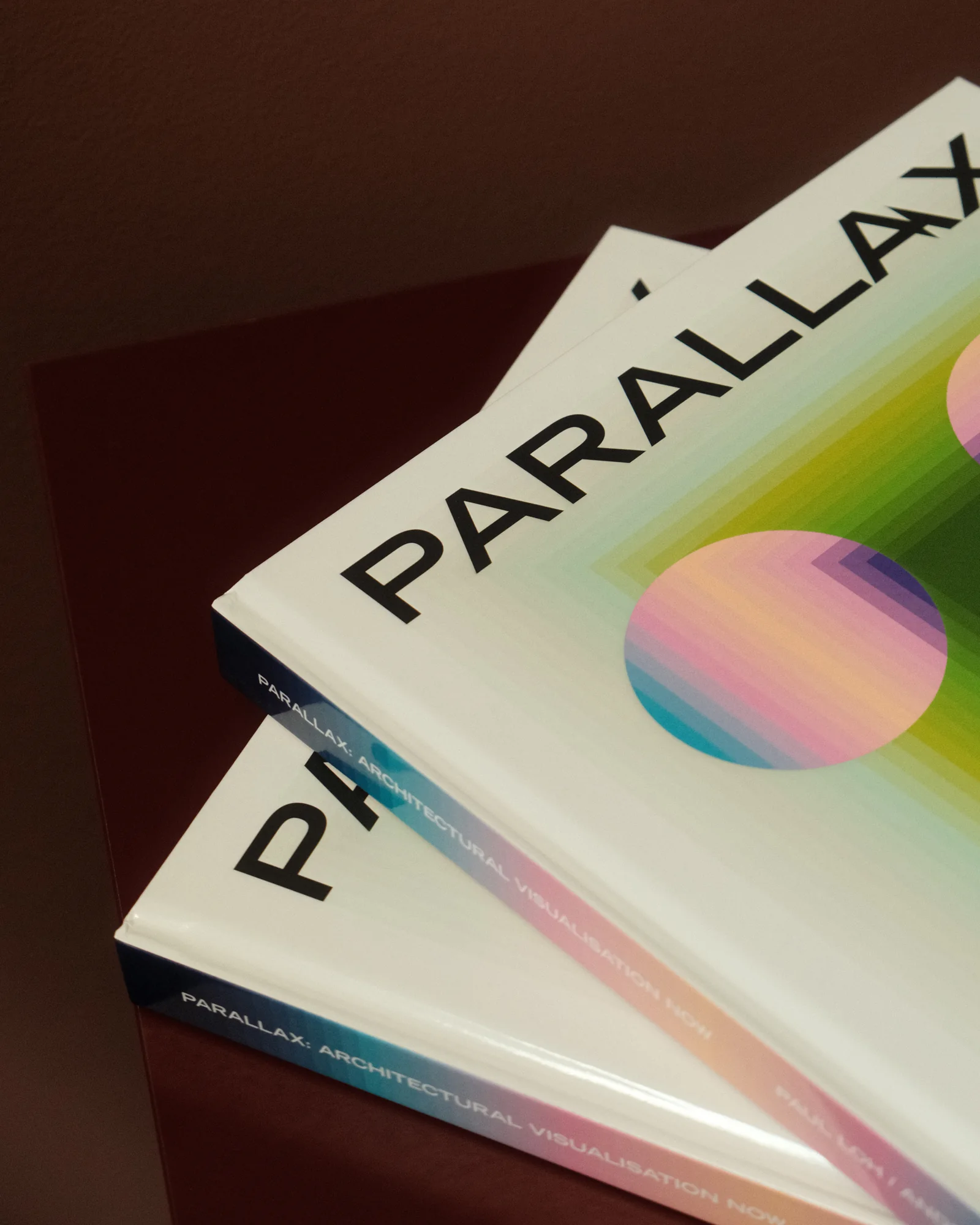
Two Parallax books stacked at an angle 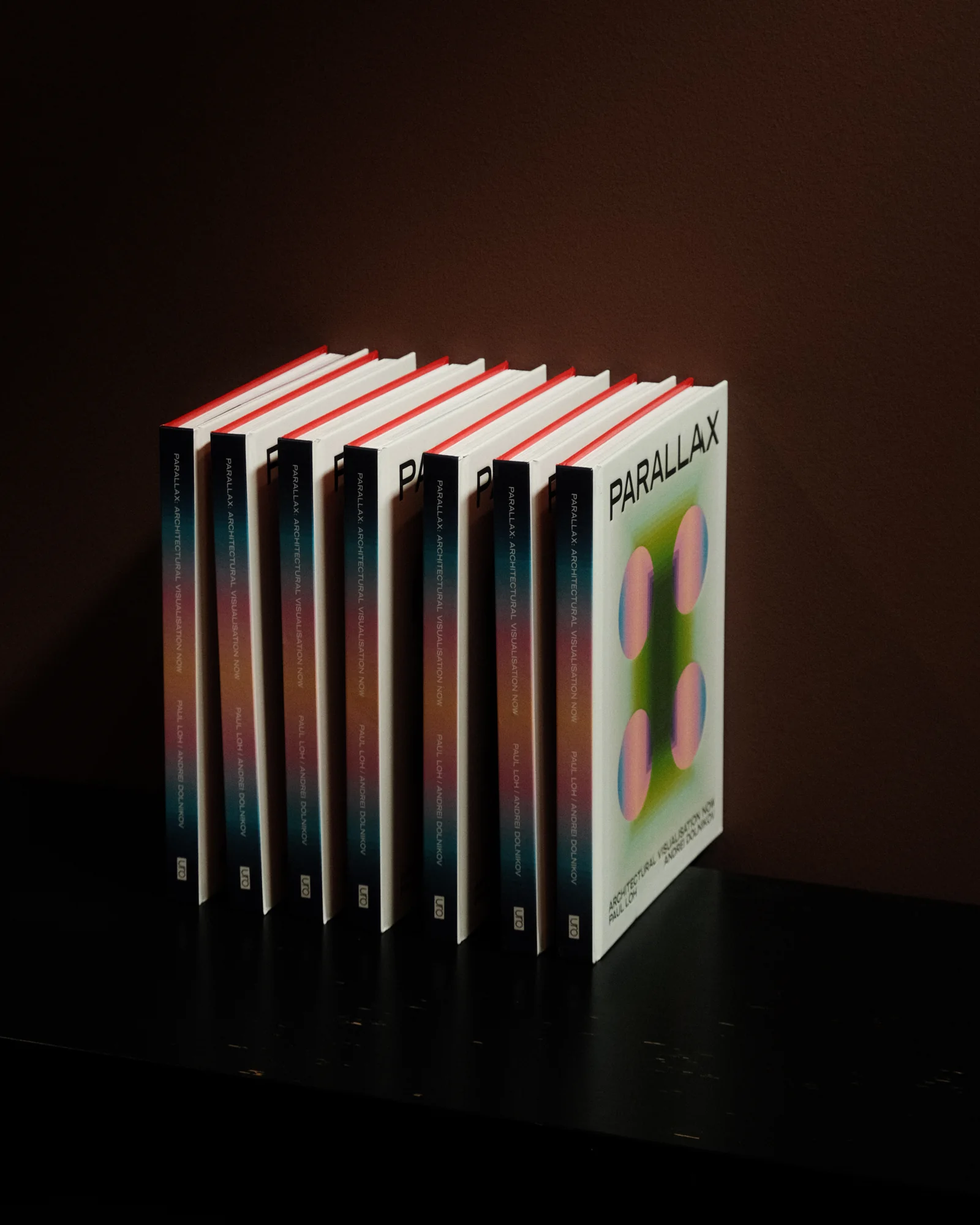
Parallax books standing in a row 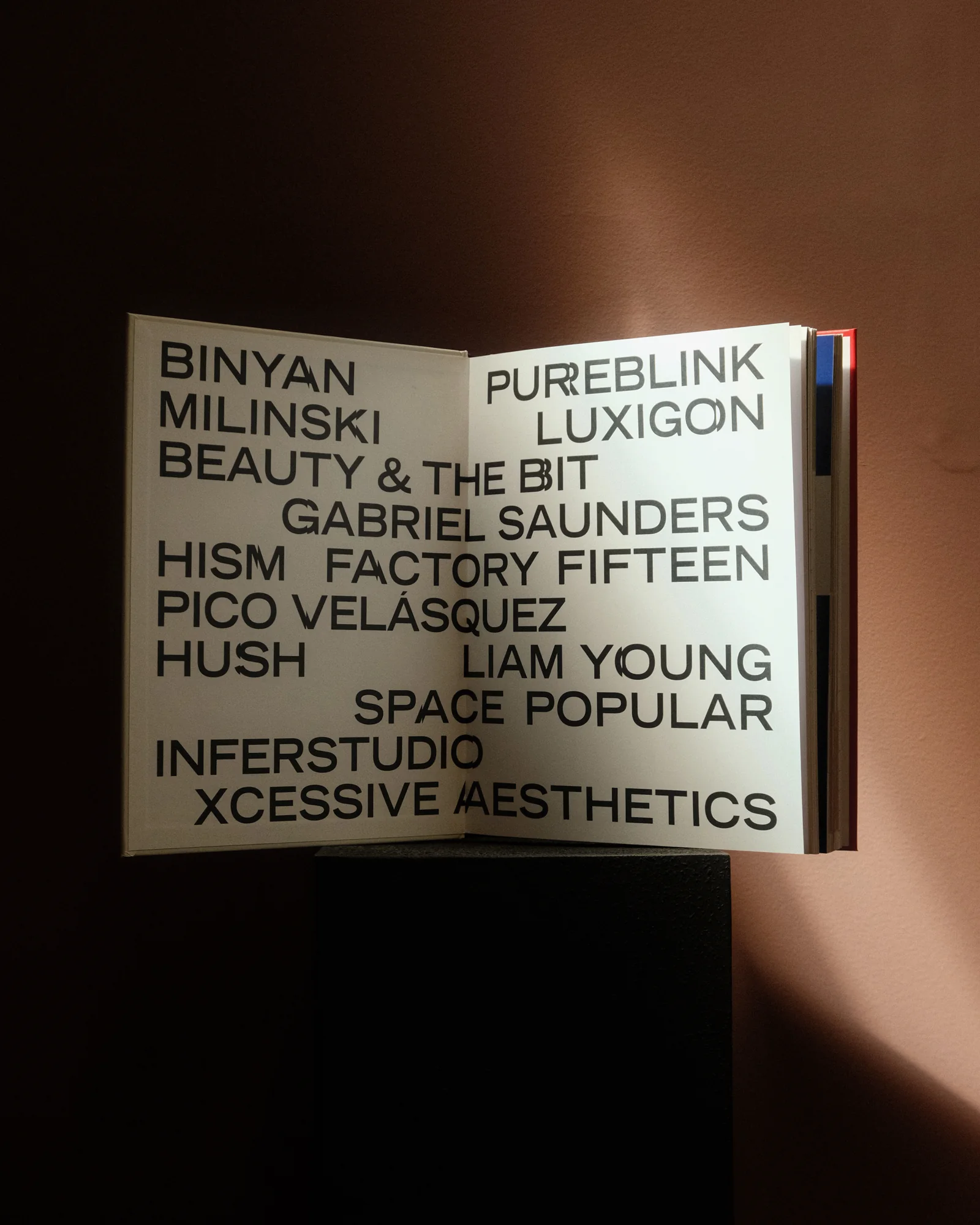
Inside the book, the list of featured studios 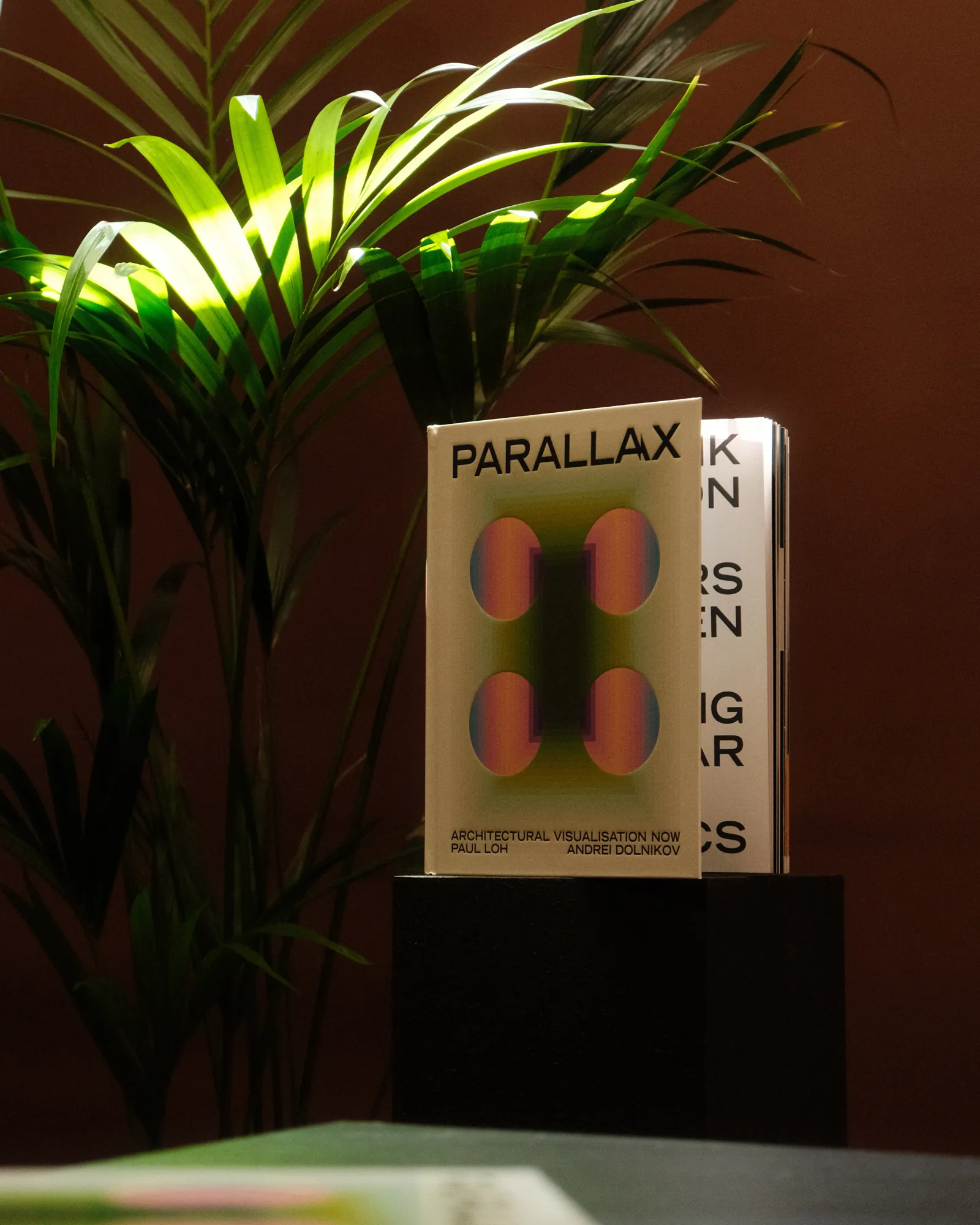
Parallax on a plinth beside a plant 
Parallax books beside plant leaves 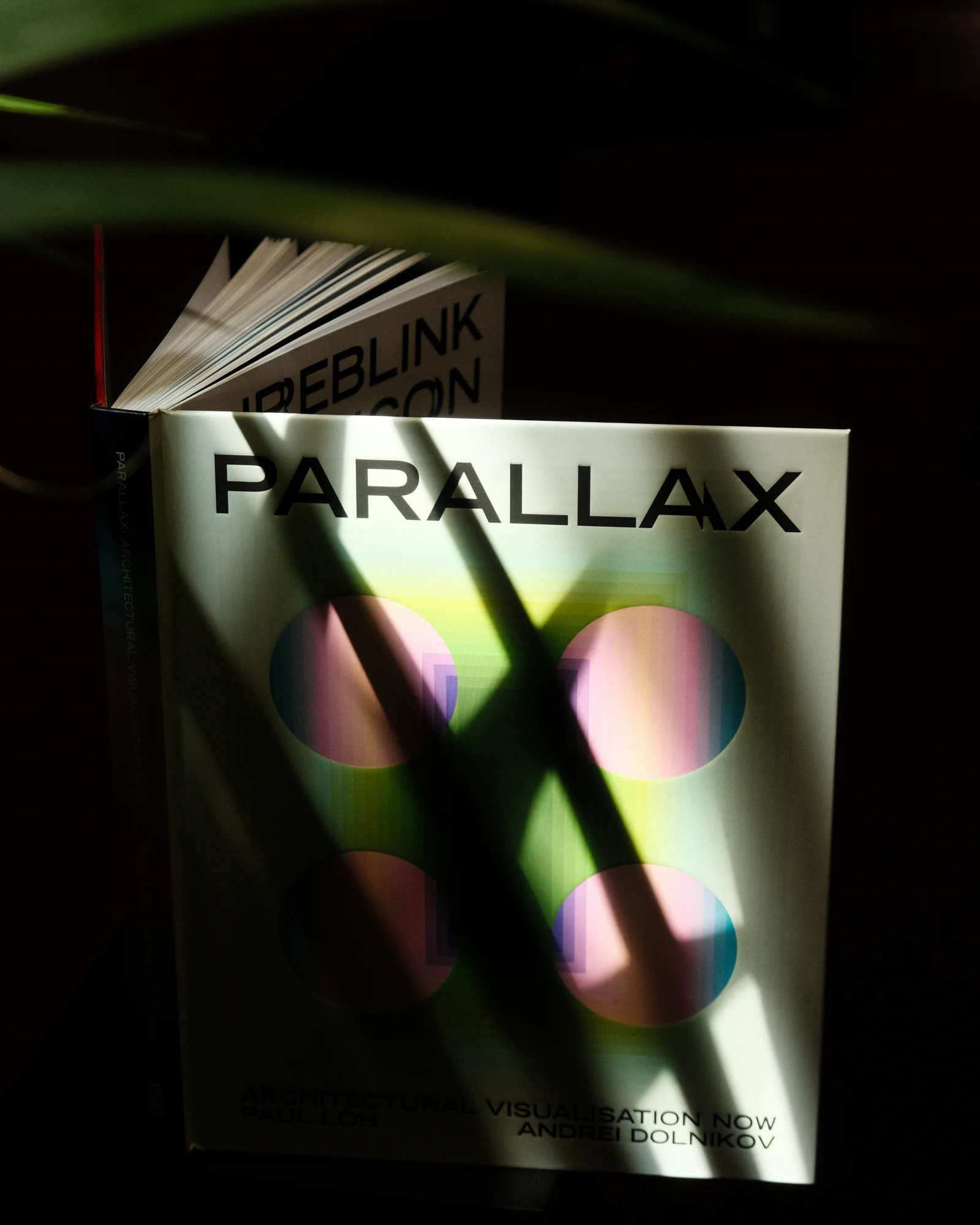
Parallax lit by leaf shadows 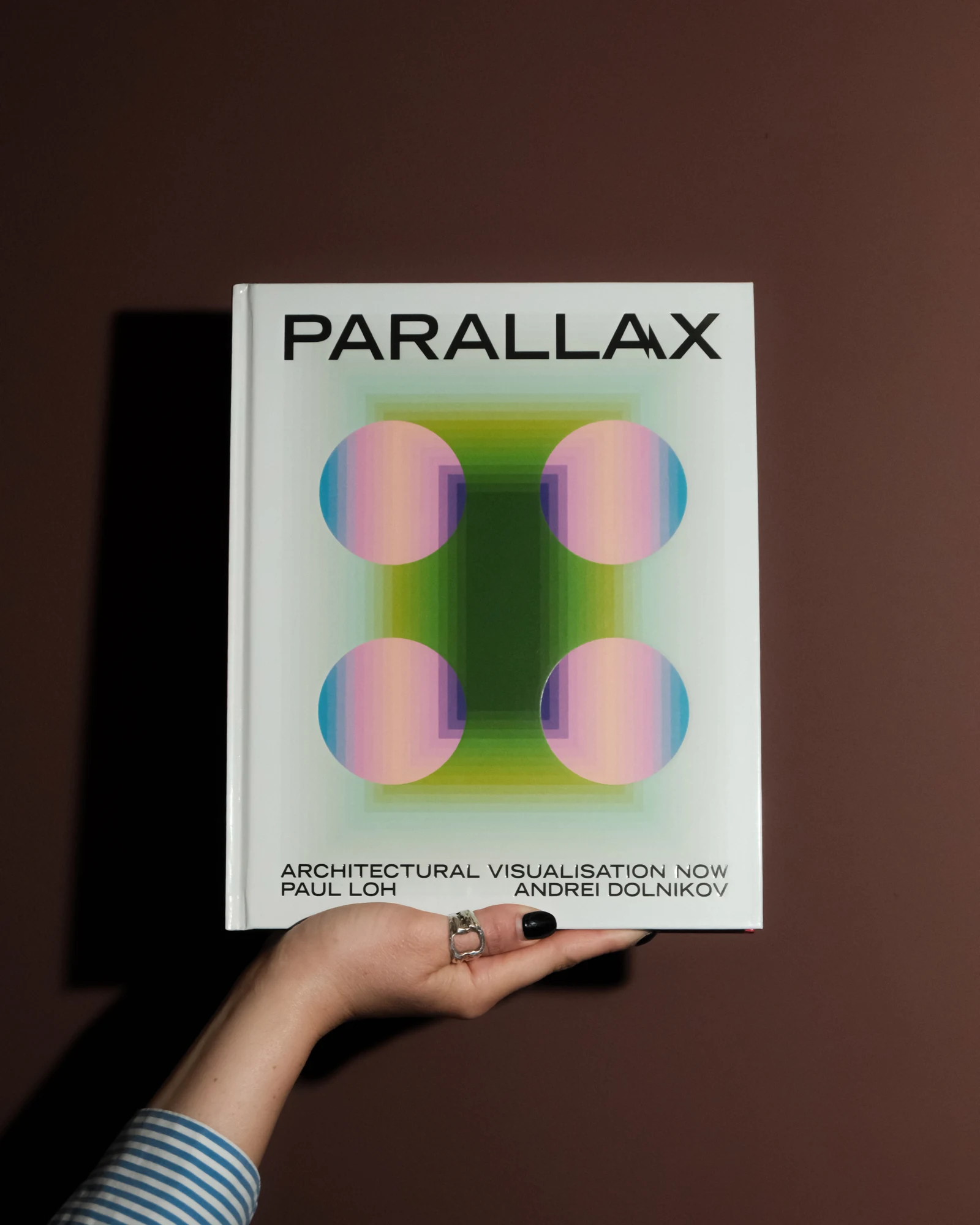
Holding Parallax against a brown wall 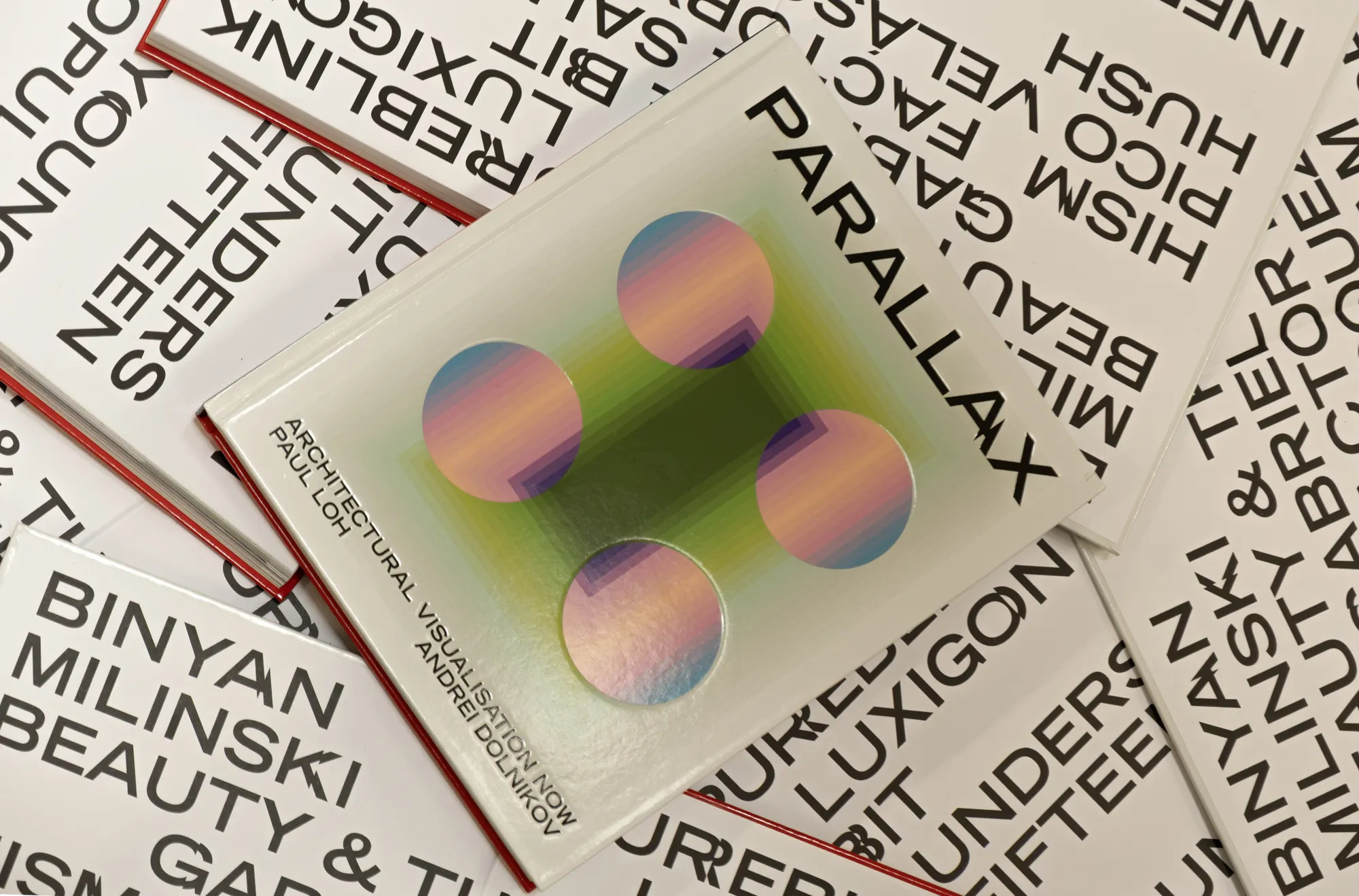
Parallax books scattered across a page of studio names 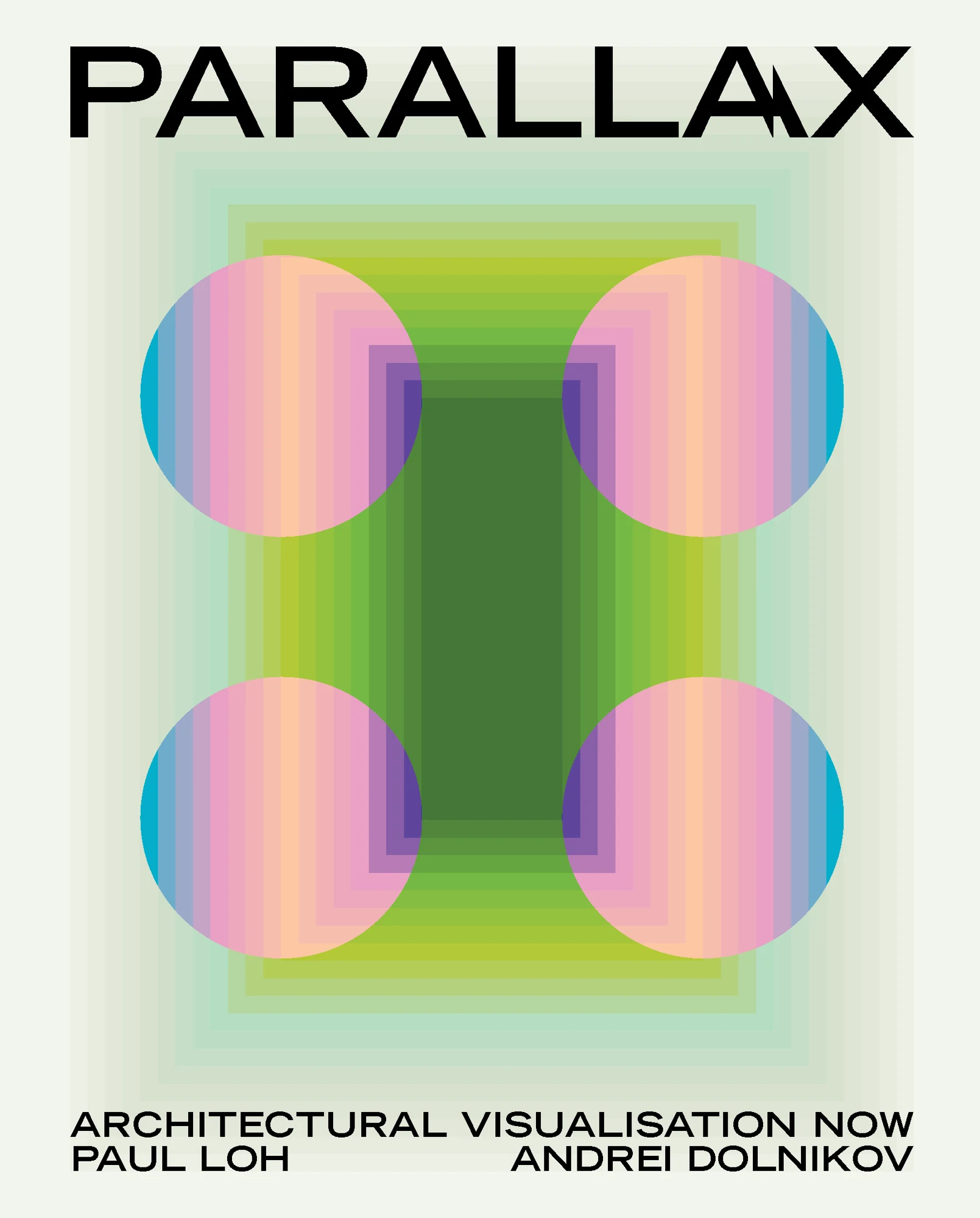
The Parallax cover graphic 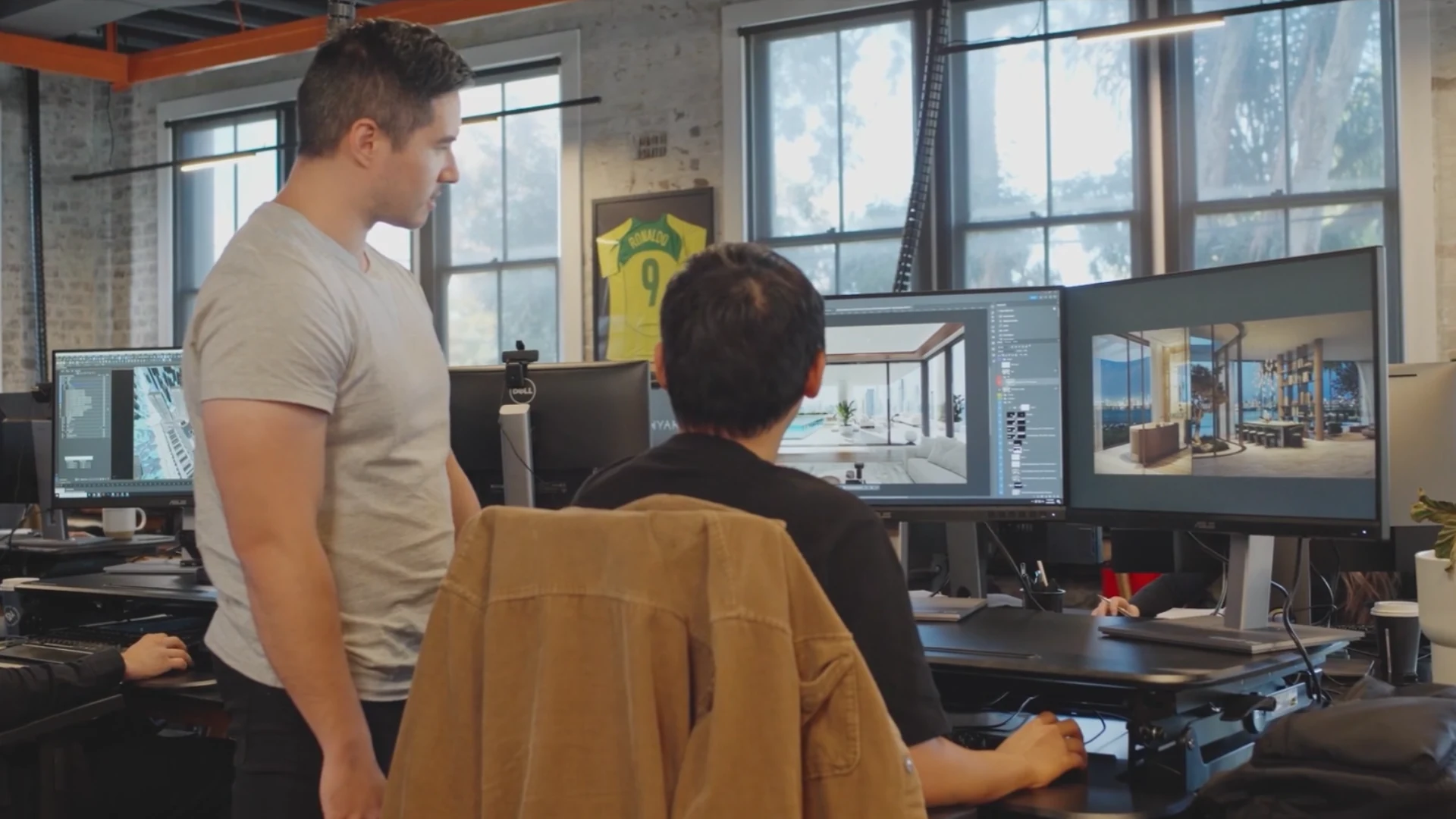
Binyan staff reviewing renders in the studio 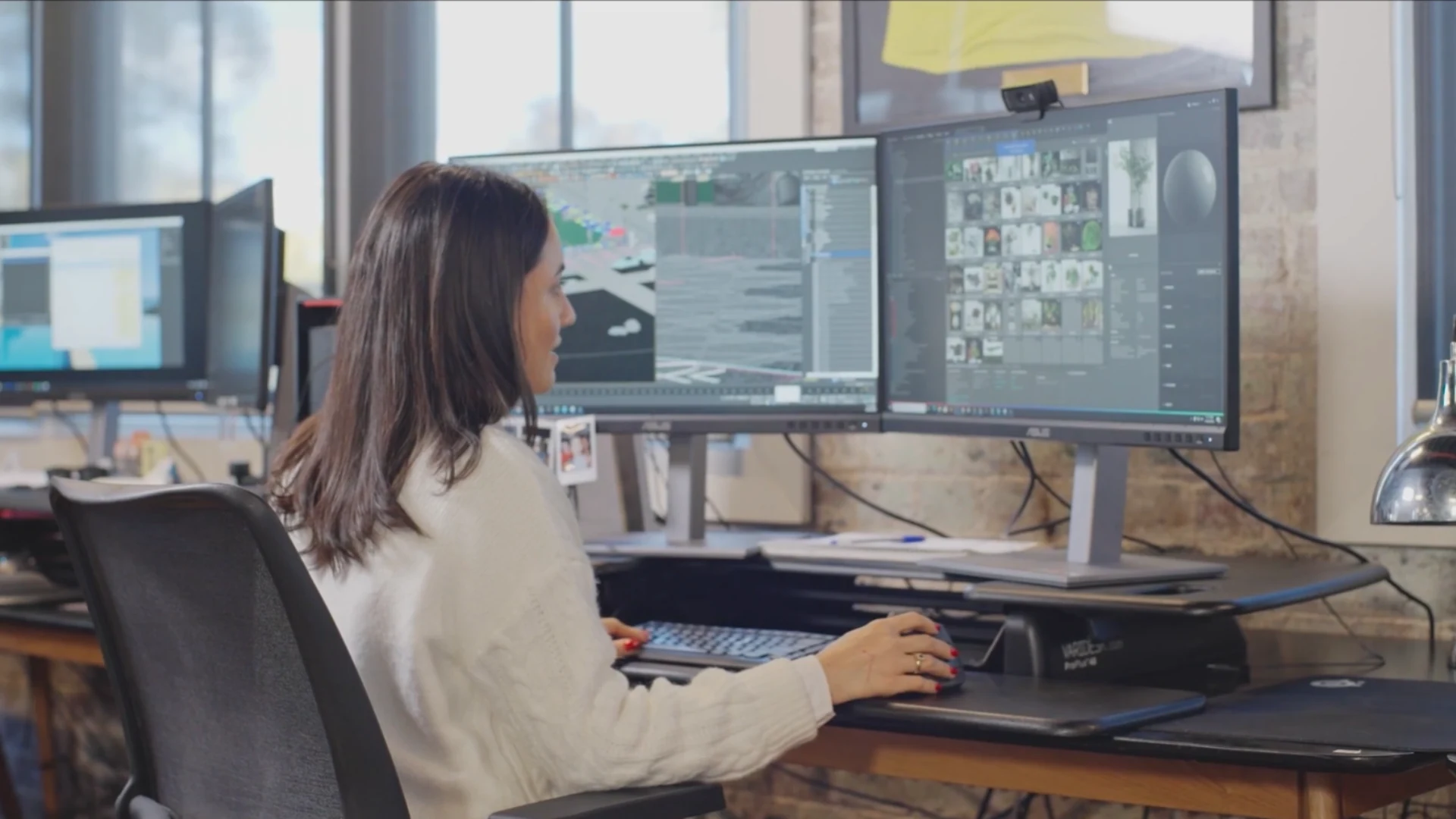
A Binyan artist at a multi-monitor workstation 
Binyan's open-plan studio at work 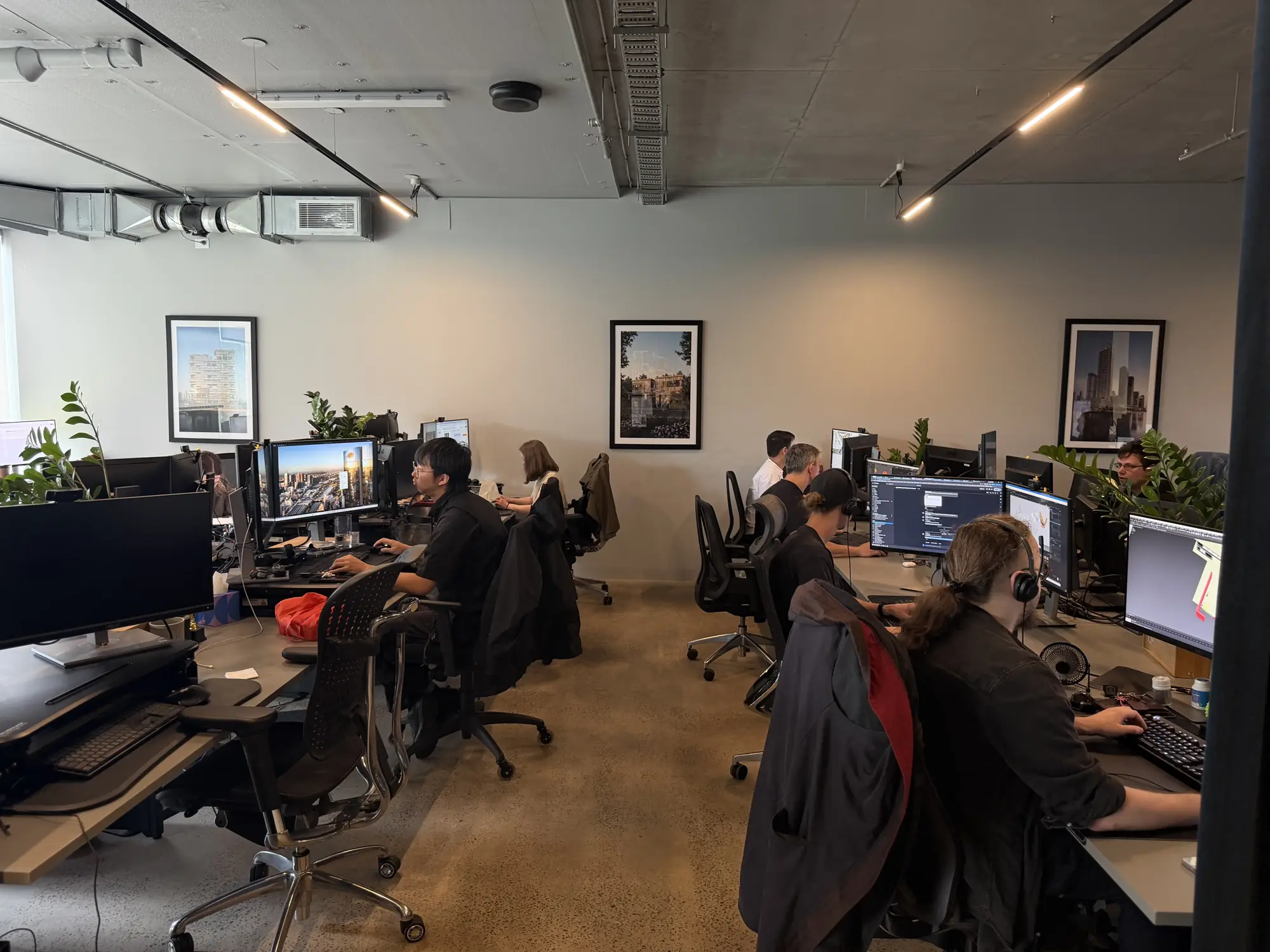
Binyan staff at their computers 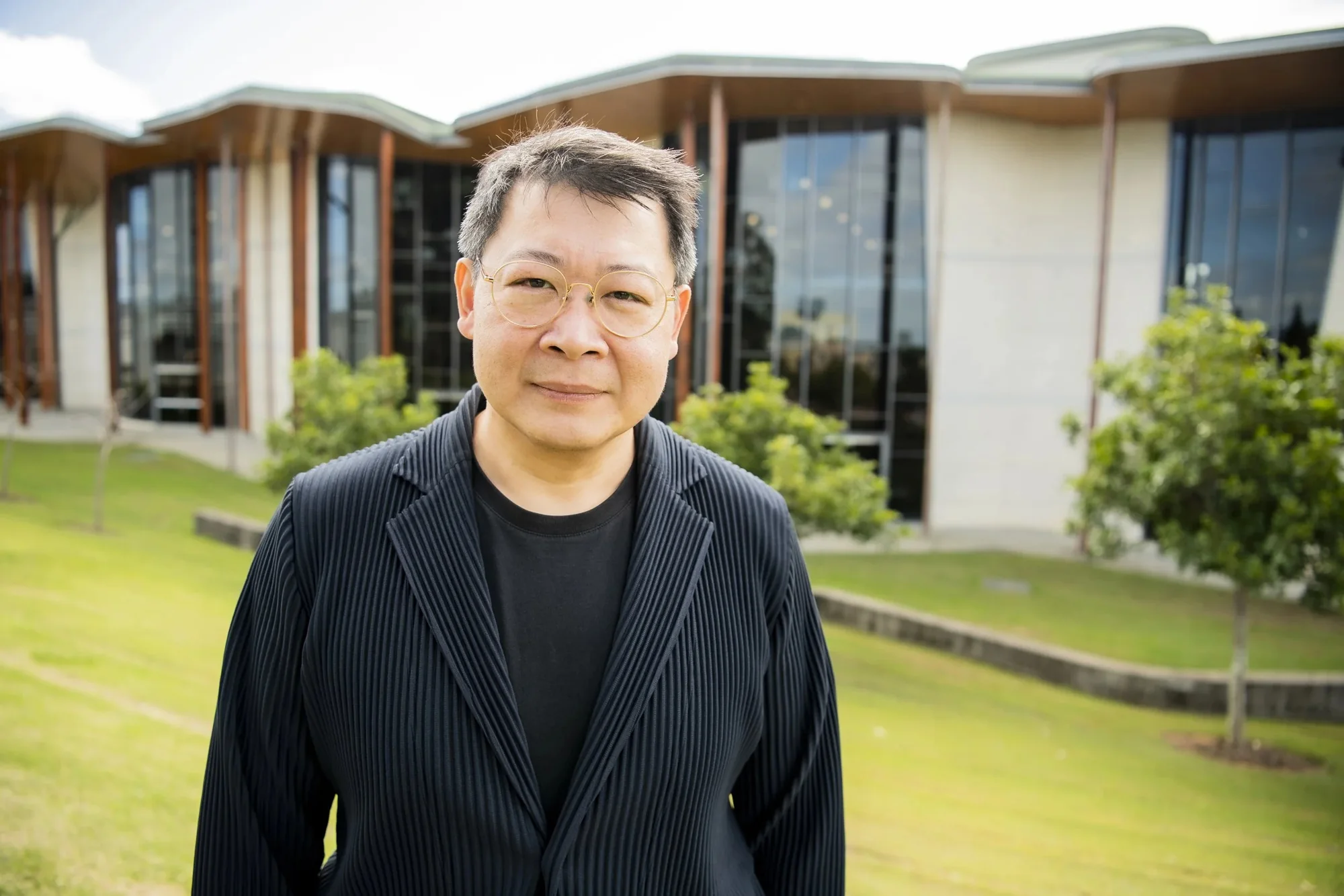
A portrait supplied with the release 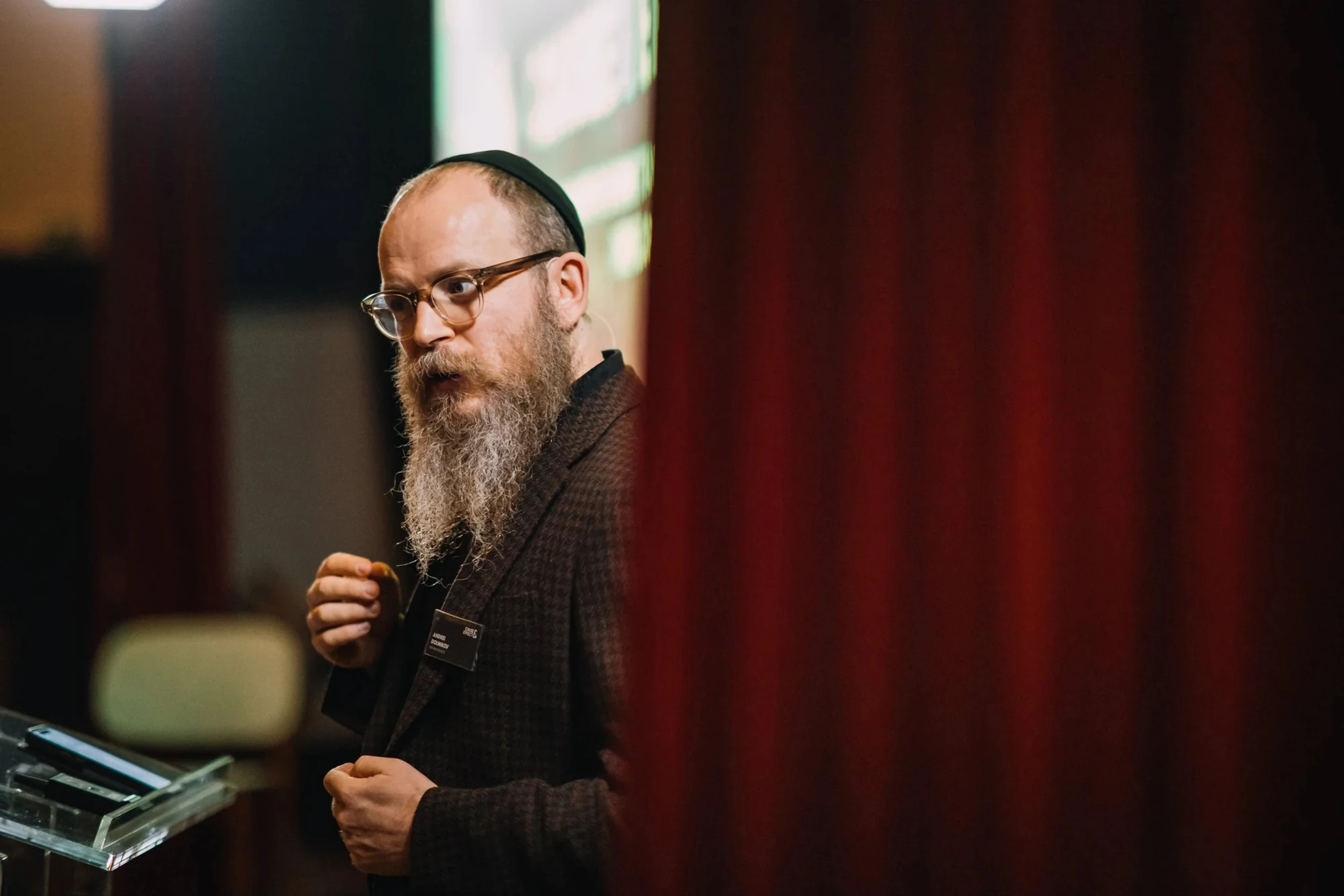
A portrait supplied with the release 
A black-and-white portrait supplied with the release
Binyan, supplied via The Property Agency
Quick answers (2)
Quick answers
What are the key numbers in this story?
visualisation practices featured: 14; pages: 204; hardback price: $79.
Where does this information come from?
This story cites Binyan press release on Parallax (via The Property Agency), Nov 2026. Every source is linked on the page.
Sources and records (1)
Sources
Company announcement
- Binyan press release on Parallax (via The Property Agency), Nov 2026BINYAN Founder Andrei Dolnikov Explores the Future of Architectural Visualisation in New Book A company statement, not independently confirmed.
Filed by the AusDev National Desk. How we report.
Next storyHIA warns 4.9% inflation could deepen the new-home slumpRead next →The Housing Industry Association says the October CPI result of 4.9% raises the risk of more rate rises, with new home sales 27.3% lower than a year ago.