ACT Government to assess growth boundary's hit on house prices
ACT Government agrees to assess whether its proposed urban growth boundary is pushing up house prices, after a Legislative Assembly motion.
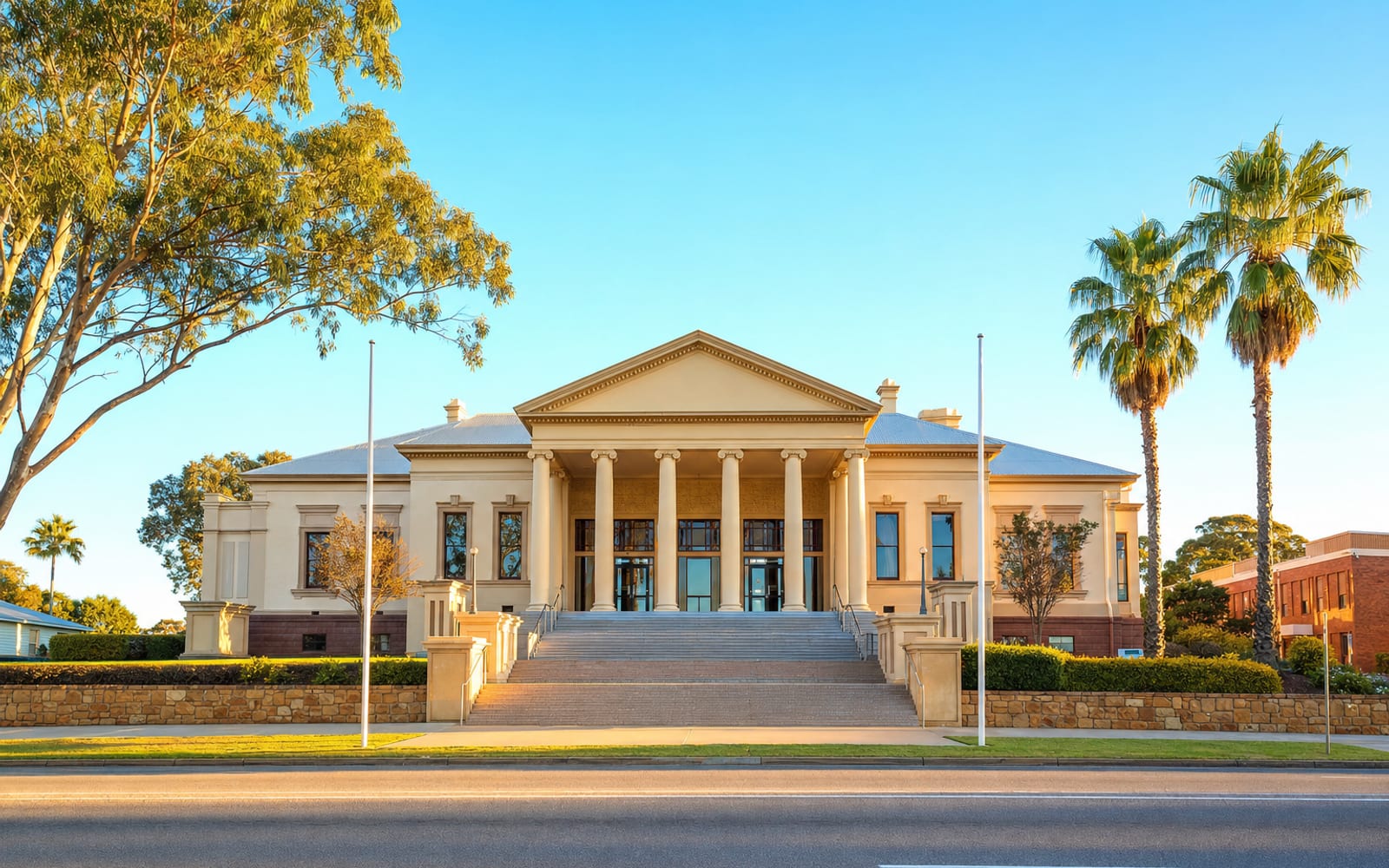
- Source Briefing
- Read original source · Region Canberra
Will a tighter line around Canberra’s edge end up making homes less affordable inside it? The ACT Government has now committed to finding out, agreeing to formally assess whether its proposed urban growth boundary is likely to lift house prices or squeeze housing supply, according to Region Canberra. That commitment came in response to a Legislative Assembly motion moved by independent MLA Leanne Castley. Planning and Sustainable Development Minister Chris Steel confirmed the government’s support for the review, with results expected by June 2027. Nothing about the boundary is locked in for developers yet; how it plays out for land supply and affordability will be put to the test before any of it reaches legislation.
Why it matters
Castley’s concern is that squeezing new-suburb release without a matching uplift in infill could tip an already strained housing market further. Her figures to the Assembly: in 1981 a Canberran on median earnings needed roughly two and a half years’ income to buy an average home; now, she said, that figure has climbed past seven years. Her warning to colleagues was blunt: the boundary, left unchecked, “could mean that we significantly and permanently reduce the supply of new housing.”
For his part, Steel framed the review as useful rather than alarming, saying government saw merit in understanding what the boundary would mean for both land supply and affordability. He noted the groundwork was already in motion, running alongside a draft planning and transport strategy and a Territory Plan amendment still to come. This latest infill push builds on the missing middle housing bill that cleared the Assembly in October.
The numbers
Greens leader Jo Clay threw her support behind the motion too, though her read differs from Castley’s: curbing outward sprawl, she argued, doesn’t have to translate into pricier homes. Pointing to a 2018 government-commissioned study, Clay put average per-home infrastructure costs at roughly $68,000 in Whitlam, compared with $6,500 in Woden and $23,000 in Campbell. From the other side of the chamber, Canberra Liberals MLA Deborah Morris backed the motion on different grounds, cautioning that families were already being priced across the NSW border by tight land supply. Independent MLA Thomas Emerson rounded out the support for the assessment.
The assessment will consider how many more homes existing suburbs could take, the land available for new suburbs, and the infrastructure needed for a growing population.
What’s next
Nothing changes on the ground yet. The assessment is expected in June 2027, alongside the draft planning and transport strategy and the proposed boundary amendment to the Territory Plan. Steel said the government wants more housing near transport, jobs and services, including mid-rise apartments and townhouses, while protecting hills, ridges, bushland and river corridors. For developers and Crown lessees on Canberra’s urban edge, that June 2027 package is the one to watch.
Quick answers
What are the key numbers in this story?
assessment due: June 2027; median earnings to buy a home (Castley): 7+ years.
Where does this information come from?
This story cites Region Canberra. Every source is linked on the page.
Sources
Also reported by
Filed by the AusDev Canberra Desk. How we report.